


Fashion or movement? How streetwear brands are shaping a new youth identity
Contents
Loose shirts, exclusive sneakers, logos that represent more than just clothing... Streetwear has ceased to be just a way of dressing and has become a cultural movement among young people. Are we witnessing a passing fad or a movement that shapes the identity of an entire generation? Increasingly, the balance is leaning toward the latter. Let's look at how streetwear brands are playing a key role in defining who we are and the values we embrace today.
1. More than clothes: values and community in every garment
Today's streetwear brands understand that they sell a lifestyle, not just textiles. "Fashion is a way to say who you are without having to speak" – that phrase has never been truer. A T-shirt from your favorite band has always said something about you; now, a T-shirt from your favorite streetwear brand does too. Each brand has become a kind of flag you raise to show your tribe.
For example, Nude Project promotes the value of being yourself, even if you're a "misfit." Its followers identify with the idea of not fitting into convention and finding their place in a creative community. Wearing Nude Project is, in a way, declaring, "I'm a nonconformist, creative, and I belong to the Nude family." The same goes for Elixir Worldwide, which champions perseverance and the ambition to achieve dreams: wearing one of its signature jackets implies, "I'm part of the Elixir movement, I share that fighting mentality."
Even established international streetwear brands have adopted this tribal philosophy: wearing Supreme a few years ago symbolized belonging to the hype elite, almost like collecting urban art; wearing Off-White meant aligning yourself with Virgil Abloh's disruptive vision of fashion. Urban clothing has become charged with meaning.
2. The new youth identity: creative, inclusive and digital
If we define the current youth identity influenced by streetwear, we could say that it is:
Creative and self-taught: Young people value originality and want to stand out. That's why they gravitate toward unique or customized clothing. It's common to see boys and girls painting their own sneakers or modifying sweatshirts. Streetwear brands fuel this trend by launching groundbreaking collections and even inviting their followers to collaborate on designs (graphic contests, for example). DIY and artistic expression are appreciated.
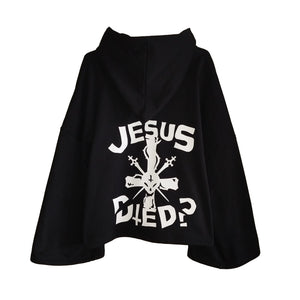
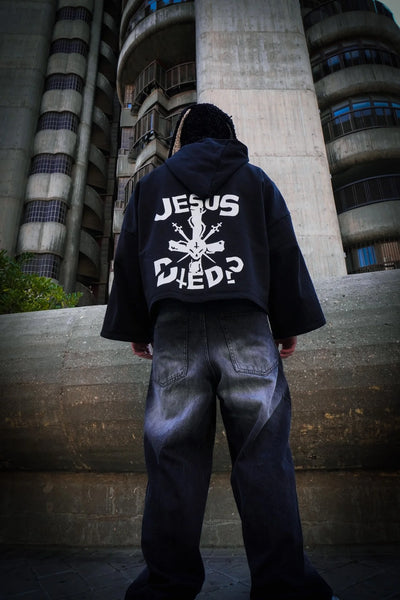
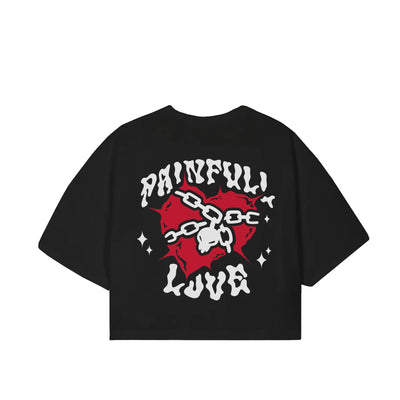
Inclusive and diverse: Unlike past trends, modern streetwear tends to build bridges between different genders, styles, and backgrounds. In the same group of friends, you can have the skater, the rapper, and the gamer, all wearing urban clothing in their own way. Brands have managed to avoid pigeonholing themselves into a single subgroup, but rather speak to broader values. An example is how at Skull Hearts, we offer everything from feminine Y2K aesthetics to oversized unisex garments, attracting a diverse audience united by a search for authenticity. Today's youth identity rejects strict labels; streetwear gives them the freedom to be whoever they want.
Forged in the digital world but yearning for a real community: This generation is digital natives, having discovered many of these brands through Instagram or TikTok, and expresses itself daily on social media. However, it yearns for real connections. Paradoxically, but certainly true: streetwear has become an excuse to socialize offline. Brand events (pop-ups, meetups, urban festivals) are full of young people eager to meet others like them in person. Streetwear fosters a shared identity, so when two strangers wear T-shirts from the same alternative brand, they instantly become a conversation starter. It's like a secret club greeting: "You know this cool stuff too, we're on the same wavelength."
3. From protest to proposal: streetwear as a generational voice
It's worth remembering that streetwear began as a form of rebellion and protest. It was the fashion of those who challenged the system, from punks with their modified jackets to hip-hop fans with their loose-fitting clothes who rejected the formal dress code. That countercultural spark is still present. Many young people use streetwear to "hack" social codes: they wear sweatshirts and hats to places where suits were once expected, breaking the mold, or they wear political and satirical messages on their T-shirts. It's their way of saying, "We don't settle for what's imposed on us."
Now, something interesting has happened: that protest has also become a proposal. It's not just about breaking norms, but about building something new. Young brands bring value propositions: some champion sustainability, others representation, and still others optimism and creativity as an antidote to difficult times. All of this is resonating with the young people who follow us. Perhaps they would never have reflected on the impact of fast fashion until we at Skull Hearts published a post saying "Fuck fast fashion" and explaining the importance of responsible consumption. In this way, urban fashion becomes a vehicle for awareness.
4. A movement that transcends seasons
Everything described suggests that streetwear is more of a sociocultural movement than a passing fad. Trends come and go; however, a movement leaves a legacy. It's quite possible that, 20 years from now, when studying the youth culture of the 2020s, people will talk about how streetwear brands influenced this generation's way of thinking and being. The clothes may change (what's trendy today will be vintage tomorrow), but the values of identity, community, and individuality that are being forged will live on in those who grew up with them.
We at Skull Hearts, along with brands like Nude Project, Elixir Worldwide, and so many others, are writing important chapters in this movement. We're showing that fashion can be relatable, purposeful, and capable of uniting people. For a young person, wearing exclusive streetwear isn't about showing off; it's about saying, "This is me, this matters to me." And when millions of young people do the same, it creates a cultural phenomenon.